Considering Invisalign for Adults: What You Need to Know Before Starting Treatment
Why More Adults Are Choosing Clear Aligners
Orthodontic treatment used to be something you did as a teenager or not at all. Metal braces, headgear, the whole awkward routine. But times have changed. Grown adults now walk into orthodontic practices asking about straightening their teeth, often for the first time. The reasons vary. Some never had the chance as kids. Others had treatment that relapsed. And a growing number simply want to improve their smile later in life. The clear aligner system, Invisalign, has become a popular option for this group. It offers a way to straighten teeth without the look of traditional braces. That matters when you are in meetings, presenting to clients, or just trying to feel confident in your own skin.
But there is more to the decision than appearance. Adult orthodontics comes with different considerations than treating a teenager. Your gums, bone, and bite have settled into their final positions. Movement happens more slowly. And the social and practical aspects of wearing aligners for months or years require some honest thought. In this article I will walk through what to expect with Invisalign for adults, drawing on real patient experiences and clinical realities. No fluff, no sales pitch. Just the things you need to weigh up before booking that consultation.
How Invisalign Differs for Adults Compared to Teens
The technology behind Invisalign is the same regardless of age. A series of clear, removable aligners gradually shifts your teeth into better positions. You wear each set for about two weeks, then move to the next. A scan or impression is taken at the start, and the whole sequence is mapped out digitally so you can see the projected result before you begin.
What changes with age is the biology. Adult jawbones are denser and less responsive to tooth movement. The blood supply to the periodontal ligament is not as rich as it was in childhood. This means treatment typically takes longer than it would for a teenager. A straightforward case might run twelve to eighteen months. More complex issues, like correcting a deep bite or closing gaps from extractions, can stretch beyond two years. Patience is not optional. It is part of the deal.
There is also the question of compliance. Teenagers often forget to wear their aligners, skip elastics, or lose them. Adults tend to be more disciplined, which helps keep treatment on schedule. But adults also have more demanding lives. You have to commit to wearing the aligners for twenty to twenty-two hours a day. Taking them out for meals, brushing, and flossing is fine. Leaving them out for a full workday because you forgot to bring your case is a problem. Every hour you are not wearing them is an hour of lost progress.

The Aesthetic Advantage
The clear aligner design is the main reason many adults pick Invisalign over fixed braces. The aligners are barely noticeable from a few feet away. In photos and video calls they are nearly invisible. That matters for people whose job or social life involves a lot of face-to-face interaction. A teacher, a salesperson, a musician who sings on stage - all of them have told me that the clear aligners made the difference between going ahead with treatment and putting it off again.
That said, the aligners are not totally invisible. Up close, a trained eye can spot the slight reflection off the plastic. And when you remove them to eat or clean, your teeth may feel a bit tender or look slightly different because of the attachments. But most people find the trade-off acceptable. The confidence gained during the day outweighs the minor inconvenience at mealtimes.
Real-World Practicalities
Living with Invisalign as an adult involves a few daily habits that take getting used to. Eating is the biggest change. You need to remove the aligners before every meal or snack. That means planning ahead. You cannot just grab a biscuit at your desk or eat a sandwich while walking between meetings. You either schedule your eating or accept that you will be brushing your teeth several times a day. Most people settle into a rhythm. Breakfast, lunch, and dinner become the only eating windows. Snacking drops off, which some see as a bonus for their waistline, but it can be a struggle if you are used to grazing throughout the day.
Cleaning the aligners themselves is straightforward. A soft toothbrush and lukewarm water do the job. You should avoid hot water because it can warp the plastic. And you need to brush your teeth thoroughly before putting the aligners back in. Food particles trapped between the aligners and your teeth can lead to decay or gum irritation. It sounds tedious, and honestly it is at first. But after a week or two it becomes as routine as tying your shoes.
Speaking of gum irritation, some patients experience sore spots or ulcers where the aligners rub against the cheeks or lips. Orthodontic wax can smooth sharp edges. Your orthodontist can also trim or adjust the aligners if needed. It is a normal part of the process, not a sign something is wrong.
Cost and Commitment
Adult orthodontic treatment is not cheap, and Invisalign is generally priced at a premium compared to standard braces. The cost reflects the custom manufacturing, the digital planning, and the frequent check-ups required throughout treatment. Many practices offer payment plans or spread the cost over the treatment duration. It is worth asking about these options during your consultation.
But cost is only part of the commitment. You also need to attend regular appointments, usually every six to eight weeks, so the orthodontist can check progress and issue your next set of aligners. Missed appointments delay the whole timeline. Life gets busy, but you have to prioritise those visits if you want to finish on schedule.

One thing that surprises some adults is the need for retention after treatment ends. Teeth have a strong memory of their old positions. Without a retainer worn every night (and sometimes during the day for the first year), they will shift back. Retainers are a lifelong commitment, whether you choose a fixed wire bonded behind the teeth or a clear plastic tray. Factor that into your decision. Straightening your teeth is not a one-and-done fix. It requires maintenance.
Who Is a Good Candidate
Not every adult is an ideal candidate for Invisalign. The system works best for mild to moderate crowding, spacing, and rotations. Severe bite problems, such as a significant overbite or crossbite, may require more complex appliances or even jaw surgery. The aligners rely on good patient compliance, as I mentioned. If you know you will struggle to wear them the required hours, or to keep up with cleaning and appointments, fixed braces might be a more reliable option.
Periodontal health is another critical factor. If your gums are receding or you have signs of gum disease, moving teeth can worsen those conditions. A thorough dental exam before starting orthodontics is non-negotiable. Your general dentist and orthodontist should work together to make sure your mouth is healthy enough for treatment.
The Scottish Orthodontics Approach
At Scottish Orthodontics, the team takes a thorough, patient-centred approach to adult orthodontics. They assess each case individually, considering not just the alignment of the teeth but also the health of the gums, the stability of the bite, and the patient's lifestyle. The phrase "invisalign for adults scottishorthodontics" sums up the practice's focus: offering clear aligner treatment tailored specifically for grown patients who want a discreet, effective way to improve their smile. They understand that adults have different priorities than kids, and they design treatment plans accordingly.
If you are researching options, you might come across the exact phrase "invisalign for adults scottishorthodontics" in your searches. That is the kind of specific, adult-focused care the practice provides. They do not treat adults as an afterthought. The whole consultation, the digital planning, the aligner fitting, and the follow-up visits are built around the realities of adult life: work schedules, family commitments, and the desire for a natural-looking result.
One patient I spoke with, a 38-year-old accountant, said she chose Scottish Orthodontics because the orthodontist took time to explain every step and set realistic expectations. She appreciated that they did not promise a quick fix. Instead, they mapped out the timeline, showed her the projected outcome on the screen, and discussed the daily routine openly. That honesty made the commitment feel manageable.
What to Expect at the First Visit
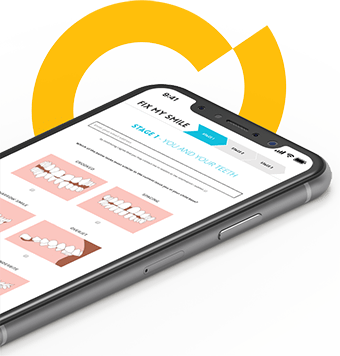
A typical initial consultation for adult Invisalign includes a full examination, digital scans or impressions, and a discussion of your goals. The orthodontist will look at your bite, the alignment of your teeth, and the health of your gums. They will also ask about any habits like grinding or clenching, which can affect tooth movement. You will see a computer-generated simulation of how your teeth will move over the course of treatment. That visual is powerful. It helps you decide whether the projected result is worth the time and money.
You should come prepared with questions. How long is the estimated treatment time? What happens if I lose an aligner? How much does retention cost after treatment? Do I need to see my general dentist before starting? The more you understand upfront, the fewer surprises you will face later.
Final Thoughts
Deciding to straighten your teeth as an adult is a personal choice. It is not about vanity, though feeling good about your smile is a valid reason. It is about function, comfort, and long-term oral health. Crooked teeth are harder to clean, more prone to wear, and can cause jaw pain over time. Addressing those issues with a modern system like Invisalign can improve more than just your appearance. It can make daily life easier - chewing, speaking, even sleeping if your bite was causing discomfort.
The clear aligners are a tool, not a magic wand. Success depends on your commitment, the skill of your orthodontist, and the specific biology of your mouth. If you are ready for the process, and you find a practice that understands adult patients, the outcome can be genuinely life-changing. Scottish Orthodontics is one such practice, and their focus on adult care makes them a strong choice for anyone considering this route. Whether you search for "invisalign for adults scottishorthodontics" or simply walk through their door, you will find a team that treats adult orthodontics with the seriousness it deserves.
 Facebook
 Instagram